
Tóm Tắt Nội Dung
What Are Dental Implants?
Dental implants are a reliable and effective solution for tooth replacement. They mimic the function and appearance of natural teeth, providing a permanent solution for tooth loss. Unlike Dentures or bridges, which rest on the gums, dental implants are surgically placed into the Jawbone. This integration with the bone gives them stability and durability.
Components of Dental Implants
A dental implant is composed of three main parts:
- Implant Screw: The implant screw is made of Titanium or Zirconia and acts as the artificial tooth root. It is surgically placed into the Jawbone during Oral surgery. Over time, the implant screw undergoes a process called Osseointegration, where it fuses with the bone, providing a stable foundation for the Dental crown.
- Abutment: The abutment is a connector that links the implant screw to the Dental crown. It sits above the gum line and provides the structure to support the crown.
- Dental Crown: The Dental crown is the visible part of the dental implant. It is custom-made to match the color and shape of your natural teeth. The crown is attached to the abutment, completing the Dental restoration.

Types of Dental Implants
There are several types of dental implants available, each suited to different needs:
- Endosteal Implants: The most common type, Endosteal implants are placed directly into the Jawbone. They are typically used for patients with sufficient bone density.
- Subperiosteal Implants: These are placed under the gum but above the Jawbone. They are used when there isn’t enough healthy bone available for Endosteal implants.
- Mini Dental Implants: Smaller in size, Mini dental implants are often used in areas with less available bone. They can also be used to stabilize Dentures.
- All-on-4 Implants: This technique involves placing four implants in each arch to support a full set of teeth. All-on-4 implants are ideal for patients needing full-mouth rehabilitation.

How Much Do Dental Implants Cost?
Dental implants are a popular solution for replacing missing teeth, offering durability and a natural appearance. However, the cost of dental implants is a significant factor that influences many people’s decisions. Understanding the costs involved can help you make an informed choice.
Factors Influencing the Cost of Dental Implants
The cost of dental implants varies widely depending on several key factors:
- Number of Implants Needed: The more implants you need, the higher the overall cost. A single implant typically costs less than multiple implants or full arch replacements.
- Type of Implant: Options like Endosteal implants, Zirconia implants, and Mini dental implants differ in price. For instance, All-on-4 implants are costlier due to the technique and materials used.
- Oral Surgery Requirements: Procedures like Bone grafting, Tooth extraction, or Sinus lifts can add to the cost. These are necessary when there’s insufficient Jawbone to support the implant.
- Geographic Location: The cost can vary depending on where you live. Dental implants in urban areas or regions with a higher cost of living may be more expensive.
- Experience of the Dental Surgeon: The experience and expertise of your Dentist, Periodontist, or Oral surgeon can also influence the price. More experienced professionals may charge higher fees.
- Materials Used: Titanium implants are common due to their biocompatibility and durability, but other materials like Zirconia may be used, affecting the cost.
- Prosthetics: The Dental crown, Abutment, and other components like Screw-retained crowns or Custom abutments can add to the overall expense.
Average Cost of Dental Implants
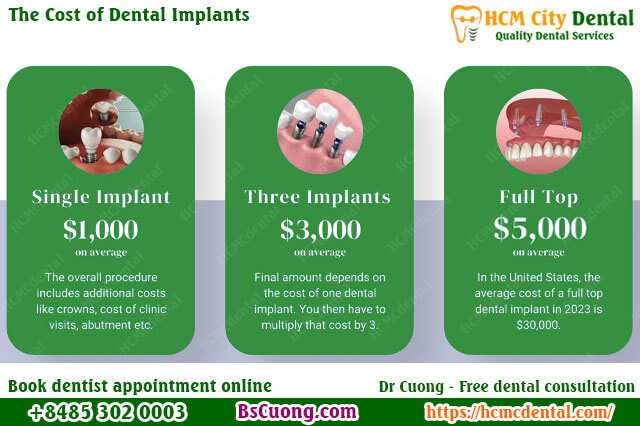
On average, the cost of dental implants can range between $3,000 to $6,000 per tooth in the United States. This price includes the implant screw, Dental crown, and the Oral surgery required for placement. Here’s a breakdown:
| Component | Average Cost |
| Implant Screw (Titanium) | $1,000 – $2,000 |
| Abutment and Crown | $1,000 – $3,000 |
| Oral Surgery | $500 – $2,000 |
Cost of Full Arch Implants
If you need a full set of teeth replaced, options like All-on-4 implants or Implant-supported bridges are available. These can cost between $20,000 to $50,000 per arch, depending on the materials and techniques used. Mini dental implants might be a more affordable option for some, but they are generally not as strong or durable.
Dental Implants with Insurance
While some insurance plans may cover part of the cost of dental implants, most consider it a cosmetic procedure and offer limited coverage. If you have dental insurance, check your plan for details on what is covered. You may also want to explore financing options or look for affordable dental implants near me to help manage costs.
Why Dental Implants Are Worth the Investment
Although dental implants come with a higher upfront cost compared to other tooth replacement options like Dentures, they offer significant long-term benefits:
- Durability: Implants can last a lifetime with proper care, whereas dentures may need to be replaced every 5-10 years.
- Stability and Functionality: Implants are fixed in place, providing more stability than Dentures. This means you can eat, speak, and smile with confidence.
- Preservation of Jawbone Structure: Implants help maintain the Jawbone structure, preventing bone loss that occurs when teeth are missing.
- Aesthetic Appeal: Dental implants look and feel like natural teeth, making them a preferred choice for many.
Finding Affordable Dental Implants
If you’re looking to reduce costs, consider these strategies:
- Compare Prices: Look for Dental clinics that offer competitive pricing or discounts on dental implants. You can often find promotions or lower prices in dental schools or less expensive areas.
- Payment Plans: Many dental clinics offer financing options, allowing you to pay for your implants in installments.
Dental Tourism: Some people choose to get their dental implants in countries where the cost of living is lower, significantly reducing the overall expense.
Steps in the Dental Implant Procedure
The dental implants process involves several key steps that ensure the success of the Dental restoration. Each stage is critical to achieving a stable and long-lasting result. This guide will walk you through the dental implants procedure step by step, helping you understand what to expect.
Step 1: Initial Consultation and Evaluation
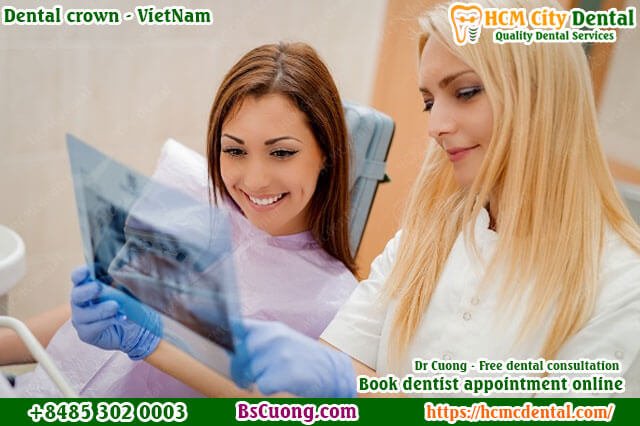
The first step in the dental implant process is the consultation with a Dentist or Periodontist. During this visit, your Oral health will be thoroughly evaluated. The Dentist will assess your Jawbone structure, Gum tissue, and overall Dental health to determine if you are a good candidate for dental implants.
- Radiography: X-rays or 3D imaging will be taken to create a detailed Jawbone outline. This helps in planning the exact placement of the implant screw.
- Bone Density Check: The Dentist will check your Bone density to ensure there is enough bone to support the Titanium implants. If the bone is insufficient, Bone grafting may be recommended.
- Treatment Plan: Based on the evaluation, a customized treatment plan will be created. This plan includes the number of implants needed, the Material type, Implant size, and the Surgical technique to be used.
Step 2: Tooth Extraction and Bone Grafting
If the damaged tooth is still in place, it will need to be extracted before the dental implants can be placed. Tooth extraction is a straightforward procedure, often performed under local anesthesia.
- Tooth Extraction: The Dental surgeon carefully removes the damaged tooth while preserving the surrounding Gum tissue and bone.
- Bone Grafting: If your Jawbone lacks the necessary density, Bone grafting will be performed. Bone from another part of your body or a synthetic material is added to the Jawbone. This enhances the bone structure, making it strong enough to support the dental implant.
Step 3: Implant Placement
Once the Jawbone is ready, the next step is the placement of the implant screw. This is the most critical stage of the dental implants procedure.
- Surgical Guide: A Surgical guide may be used to ensure the precise placement of the implant screw. The Dentist makes an incision in the Gingiva (gum tissue) to expose the bone.
- Drilling: A hole is drilled into the Jawbone, and the implant screw is inserted. This screw acts as the Tooth root for the new Dental crown.
- Stitching: The Gum tissue is stitched back over the implant, and a healing cap may be placed to protect the area as it heals.
Step 4: Healing and Osseointegration
After the implant is placed, a healing period is necessary to allow the Jawbone to fuse with the Titanium implant. This process, known as Osseointegration, is crucial for the stability of the dental implant.
- Healing Time: Osseointegration can take several months, during which the Jawbone grows around the implant screw, securing it in place.
- Temporary Prosthesis: If the implant is in a visible area, a temporary Prosthesis may be placed to maintain your appearance while healing.
- Monitoring: Regular check-ups will be scheduled to monitor the healing process and ensure that the implant is integrating correctly.
Step 5: Abutment Placement
Once Osseointegration is complete, the next step is attaching the abutment to the implant screw. The abutment acts as the connector between the implant and the Dental crown.
- Minor Surgery: A minor surgical procedure is performed to expose the implant screw and attach the abutment. This procedure is less invasive than the initial implant placement.
- Healing: The Gum tissue around the abutment may take a few weeks to heal before the final crown can be placed.
Step 6: Crown Placement and Final Restoration
The final step in the dental implant process is placing the custom-made Dental crown onto the abutment.
- Custom Crown: The Dental crown is designed to match the color, shape, and size of your natural teeth. This ensures a seamless and natural-looking Dental restoration.
Cementation or Screw-Retention: The crown is either cemented onto the abutment or screwed into place, depending on the design. Screw-retained crowns are easier to remove if adjustments are needed.

Types of Dental Implants and Their Uses
Dental implants are a popular solution for Tooth replacement. They offer durability, functionality, and aesthetics that closely mimic Natural teeth. Understanding the different types of dental implants and their uses can help you make an informed decision.
1. Endosteal Implants
Endosteal implants are the most common type of dental implants. They are surgically placed into the Jawbone. These implants are typically made from Titanium and shaped like small screws.
- Use: Endosteal implants are ideal for patients with good Bone density and healthy Gum tissue. They provide strong support for Dental crowns, Implant-supported bridges, or Full arch implants.
- Procedure: The Dental surgeon places the implant screw directly into the Jawbone. Over time, Osseointegration occurs, where the Jawbone fuses with the implant, creating a sturdy foundation.
- Benefits: Endosteal implants are highly durable and offer long-term stability. They are the good dental implants for missing teeth if bone support is adequate.
Endosteal implants are suitable for those looking for a reliable, long-term solution. However, they require sufficient bone density and good Oral health for successful implantation.
2. Subperiosteal Implants
Subperiosteal implants are placed under the Gingiva but on or above the Jawbone. These implants are an alternative for patients who cannot undergo Bone grafting.
- Use: Subperiosteal implants are often used for patients with minimal Jawbone height or those who cannot use Endosteal implants. They are also an option for patients who want to avoid extensive Oral surgery.
- Procedure: The Dental surgeon places a metal framework under the Gum tissue, which gradually fuses with the bone. The posts attached to the frame protrude through the Gingiva, allowing for the attachment of Dental crowns or Prosthetics.
- Benefits: Subperiosteal implants are less invasive than Endosteal implants and do not require significant Jawbone. They are a good option for patients who need a faster, less complex procedure.
Subperiosteal implants provide a stable alternative for those with limited bone structure but may not be as durable or integrated as Endosteal implants.
3. Zygomatic Implants
Zygomatic implants are less common and used in specific cases where there is insufficient Jawbone for traditional implants. These implants are anchored in the Zygomatic (cheek) bone instead of the Jawbone.
- Use: Zygomatic implants are suitable for patients with severe Jawbone loss who cannot undergo Bone grafting. They are often used in patients who have lost significant bone due to Periodontal disease or trauma.
- Procedure: The Dental surgeon places the implant in the Zygomatic bone, bypassing the Jawbone altogether. This method is more complex and requires a highly skilled Dentist or Periodontist.
- Benefits: Zygomatic implants provide a viable option for patients with extreme Tooth loss and minimal bone structure. They offer stability when other implants are not feasible.
Zygomatic implants are specialized and used in complex cases where other implants cannot be placed. They offer a solution for patients with extensive bone loss but require more intensive surgery.
4. Mini Dental Implants
Mini dental implants are smaller than standard dental implants and are often used in less invasive procedures. They have a narrower diameter and do not require extensive surgery.
- Use: Mini dental implants are ideal for stabilizing Dentures or replacing small teeth. They are also used when there is not enough space for a standard implant.
- Procedure: The Dental surgeon places the mini implants in the Jawbone using a less invasive technique. This procedure often requires only local anesthesia and can be completed quickly.
- Benefits: Mini dental implants are less costly and have a shorter healing time. They are an excellent option for patients seeking a minimally invasive procedure.
Mini dental implants provide a quicker, less invasive option for tooth replacement but may not offer the same durability as standard implants.
5. All-on-4 Implants
All-on-4 implants are a method for replacing an entire arch of teeth using only four Titanium implants. This technique is often used for patients with extensive Tooth loss.
- Use: All-on-4 implants are used for patients who need full-mouth restoration. This technique allows for the placement of a complete set of teeth on just four implants.
- Procedure: The Dental surgeon places two implants at the front of the jaw and two at an angle at the back. This angled placement provides stability and support for the full arch.
- Benefits: All-on-4 implants offer a comprehensive solution for patients with significant Tooth loss. They provide a stable and functional set of teeth in a single procedure.
All-on-4 implants are a cost-effective and efficient solution for full-mouth restoration, offering patients a new smile in one day.

Benefits and Risks of Dental Implants
Dental implants have become a popular choice for Tooth replacement. They offer numerous advantages but also come with certain risks. Understanding both aspects helps in making an informed decision about your Dental health.
Benefits of Dental Implants
Dental implants provide several significant benefits that improve both function and appearance.
1. Improved Functionality and Comfort
Replacing missing teeth with dental implants restores full mouth function.
- Natural teeth mimicry: Dental implants function like natural teeth, allowing you to chew and speak without discomfort.
- Stability: Unlike Dentures, implants are more stable, preventing slipping or shifting during daily activities.
- Comfort: The integration of the implant screw into the Jawbone eliminates the discomfort often associated with removable Prosthetics.
2. Enhanced Aesthetics and Confidence
Dental implants improve your smile and boost self-esteem.
- Aesthetics: Custom-designed Dental crowns match the color and shape of your existing teeth, providing a seamless appearance.
- Jawbone structure preservation: Osseointegration helps maintain the Jawbone structure, preventing the sunken look that occurs with Tooth loss.
- Durability: With proper Dental hygiene and care, Titanium implants offer a long-term solution that can last a lifetime.
3. Improved Oral Health
Choosing dental implants contributes positively to overall Oral health.
- Bone density maintenance: Dental implants require sufficient bone density, and in turn, they stimulate bone growth, preserving the Jawbone outline.
- Prevention of adjacent tooth decay: Unlike bridges, implants do not rely on neighboring teeth for support, reducing the risk of Decay and damage.
- Ease of maintenance: Maintaining dental implants involves regular brushing and flossing, similar to caring for natural teeth.
4. High Success Rate and Versatility
Dental implants are a reliable and adaptable solution for various dental needs.
- Success rate: Studies show a high Osseous integration rate, making dental implants a dependable option.
- Versatility: Options like Mini dental implants, All-on-4 implants, and Implant-supported bridges cater to different cases of Tooth loss.
- Immediate loading: In some cases, immediate loading allows for the placement of Screw-retained crowns on the same day as the Oral surgery.
Risks of Dental Implants
While dental implants offer many benefits, there are potential risks and considerations to keep in mind.
1. Surgical Complications
The dental implants procedure step by step involves surgical interventions that carry certain risks.
- Infection: Post-operative infections can occur at the site of the implant screw placement if proper care is not taken.
- Nerve damage: Incorrect placement may lead to nerve injuries causing pain or numbness in surrounding areas.
- Sinus issues: For upper jaw implants, improper insertion can affect sinus cavities, leading to complications.
2. Prolonged Healing Time
The process of Osseointegration requires time and patience.
- Healing time: Complete healing can take several months, delaying the final Dental restoration.
- Bone grafting: If Bone density is insufficient, additional procedures like Bone grafting extend the treatment duration.
- Dental implant recovery: Adherence to post-surgery guidelines is essential to ensure successful integration and avoid complications.
3. Cost Considerations
The cost of dental implants with insurance can be significant.
- High upfront cost: Dental implants are generally more expensive than other Tooth replacement options like Dentures.
- Insurance coverage: Not all insurance plans cover the full Cost of dental implants, leading to out-of-pocket expenses.
- Maintenance expenses: Regular check-ups and potential future treatments add to the overall Cost over time.
4. Suitability and Failure Risks
Not everyone is an ideal candidate for dental implants.
- Health conditions: Diseases like uncontrolled diabetes or Periodontal disease can affect the success rate of implants.
- Lifestyle factors: Smoking and poor Dental hygiene increase the risk of implant failure.
Material sensitivity: Some individuals may have allergic reactions to Titanium or Zirconia implants, necessitating alternative solutions.
Dental Implants vs. Other Tooth Replacement Options
When considering Tooth replacement, it’s important to weigh the advantages and disadvantages of each option. Dental implants are a popular choice, but other alternatives exist. Understanding the key differences will help you make an informed decision about your Dental health.
Dental Implants
Dental implants offer a permanent solution to Tooth loss. The process involves placing an implant screw into the Jawbone, which acts as an artificial Tooth root. A Dental crown is then attached to the implant, creating a natural-looking tooth.
1. Stability and Functionality
Dental implants provide superior stability compared to other options.
- Osseointegration: The Titanium implant fuses with the Jawbone, offering firm support similar to Natural teeth.
- Functionality: You can eat, speak, and smile confidently without worrying about shifting or discomfort.
- Durability: With proper care, implants can last a lifetime, making them a long-term solution.
2. Oral Health Benefits
Dental implants contribute to overall Oral health.
- Jawbone structure preservation: Implants stimulate the Jawbone, preventing bone loss that occurs with Tooth loss.
- No impact on adjacent teeth: Unlike bridges, implants do not rely on neighboring teeth for support, thus preserving their integrity.
- Gum health: Properly placed implants and crowns help maintain healthy Gingiva, reducing the risk of Periodontal disease.
3. Aesthetic Appeal
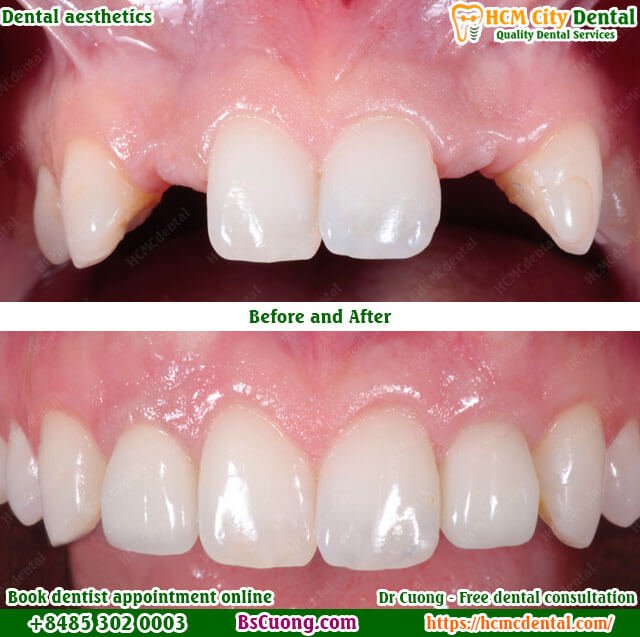
Dental implants offer a natural appearance.
- Custom crowns: The Dental crown is designed to match the color and shape of your existing teeth.
- Comfort and fit: Implants are custom-fitted, providing a seamless look and feel that blends with your natural smile.
Dentures
Dentures are a removable option for replacing multiple missing teeth. They are typically more affordable than implants, but they come with their own set of challenges.
1. Affordability
Dentures are generally less expensive.
- Initial cost: Dentures require a lower upfront investment compared to dental implants.
- Insurance coverage: Many dental insurance plans cover dentures, making them a more accessible option.
2. Comfort and Fit
Dentures can be uncomfortable and less stable.
- Movement: Unlike implants, dentures can slip or move, especially while eating or speaking.
- Fit: Over time, dentures may require adjustments as the Jawbone changes shape, leading to discomfort.
3. Maintenance
Dentures require regular maintenance.
- Daily cleaning: Dentures need to be removed and cleaned daily, which adds to the maintenance routine.
- Relining and replacement: Dentures typically need to be relined or replaced every few years due to wear and changes in the Jawbone structure.
Bridges
A dental bridge involves placing a false tooth (or teeth) between two crowns, which are anchored to the adjacent natural teeth. This option is more stable than dentures but has some drawbacks.
1. Impact on Adjacent Teeth
Bridges rely on neighboring teeth for support.
- Tooth preparation: The adjacent teeth need to be shaved down to accommodate the crowns, which can weaken them.
- Risk of Decay: The reliance on natural teeth for support can increase the risk of Decay or damage to those teeth.
2. Longevity and Maintenance
Bridges require more maintenance than implants.
- Lifespan: Bridges generally last 10-15 years, after which they may need to be replaced.
- Hygiene: Special care is required to clean around the bridge and avoid gum issues.
3. Aesthetics and Comfort
Bridges offer a more natural look than dentures but less than implants.
- Appearance: While bridges can look natural, they do not offer the same seamless integration as dental implants.
- Comfort: Bridges can cause discomfort over time as the Jawbone beneath the missing tooth deteriorates.
Comparison Table: Dental Implants vs. Dentures vs. Bridges
| Feature | Dental Implants | Dentures | Bridges |
| Stability | High | Low | Medium |
| Aesthetic Appeal | High | Medium | High |
| Impact on Adjacent Teeth | None | None | High |
| Oral Health Benefits | High | Low | Medium |
| Longevity | 20+ years | 5-7 years | 10-15 years |
| Cost | High | Low | Medium |

Making the Right Choice
Choosing between dental implants and other Tooth replacement options depends on various factors, including Cost, Oral health, and personal preferences. Dental implants offer a long-term solution with numerous benefits in terms of Stability, Functionality, and Aesthetics. However, the initial Cost is higher, and not everyone is a candidate due to Bone density requirements and other health considerations.
Dentures provide a more affordable solution but come with drawbacks like reduced Stability and comfort. Bridges offer a middle ground, though they may impact adjacent teeth and require more maintenance.
Consult with your Dentist or Periodontist to determine the good option for your situation. They can provide a detailed dental implants procedure step by step guide if implants are suitable or suggest alternatives based on your needs and budget.
- Implant type – Material – Titanium
- Implant type – Size – 3.5mm diameter
- Implant success rate – Percentage – 95%
- Implant cost – Price range – $1,000-$1,500
- Healing time – Duration – 3-6 months
- Jawbone – Density – High
- Dental crown – Material – Porcelain
- Bone graft – Material – Synthetic
- Gum tissue – Health status – Healthy
- Oral hygiene – Maintenance – Daily brushing
- Implant durability – Lifespan – 10+ years
- Surgery – Type – Single-stage
- Prosthesis – Type – Fixed bridge
- Abutment – Type – Angled
- Implant stability – Measurement – ISQ (Implant Stability Quotient)
- Implant surface – Coating – Hydroxyapatite
- Bone quality – Classification – Type I-IV
- Implant placement – Technique – Immediate
- Implant system – Brand – Straumann
- Crown attachment – Method – Cemented

 Messenger
 Zalo
Zalo Gọi ngay